Introduction to the eCommerce Platform Debate
Choosing an eCommerce platform is a bit like choosing the foundation for your house. Get it right, and everything else becomes easier. Get it wrong, and you’ll constantly be fixing cracks. For US store owners, the debate often boils down to two giants: Shopify and WooCommerce.
So which one truly fits the American market best? Let’s unpack this step by step, without jargon, without fluff, just real talk.
Why Choosing the Right Platform Matters in the US
The US eCommerce market is fiercely competitive. Customers expect fast-loading pages, smooth checkouts, multiple payment options, and airtight security. Your platform isn’t just software—it’s your silent business partner.
Shopify and WooCommerce at a Glance
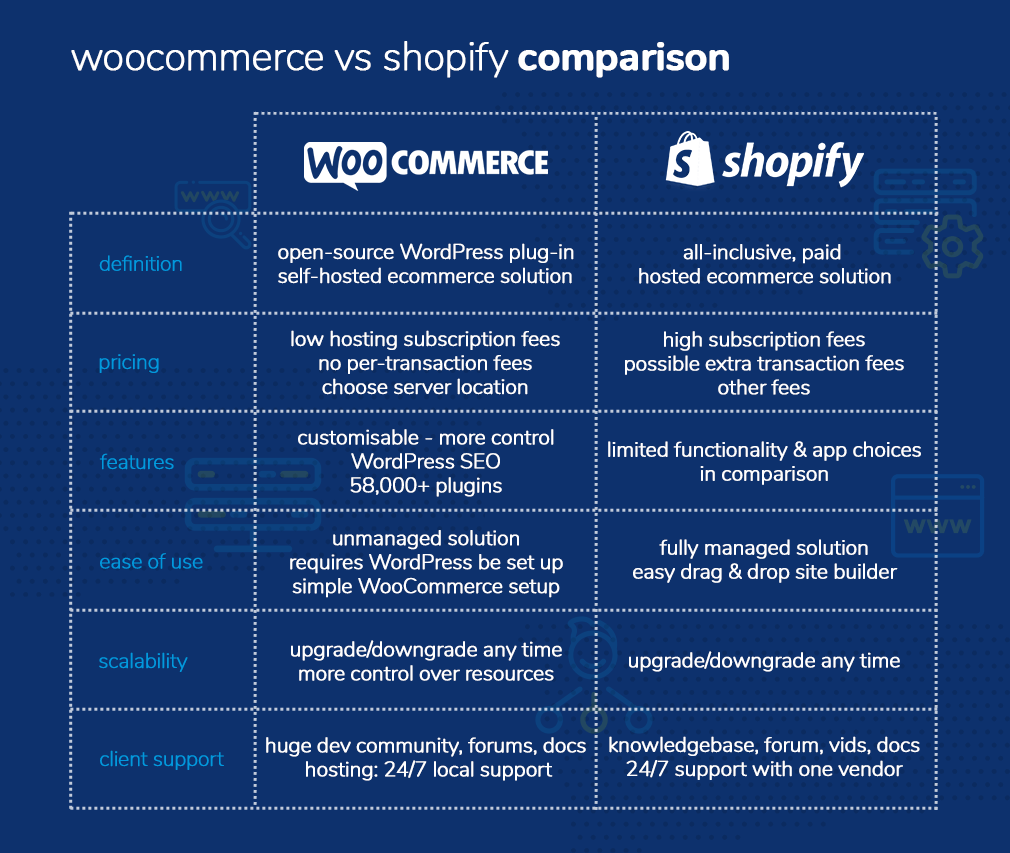
Shopify is an all-in-one hosted solution. WooCommerce, on the other hand, is a plugin built on WordPress, giving you near-total control. Convenience vs control—that’s the core of this debate.
Understanding Shopify
What Is Shopify?
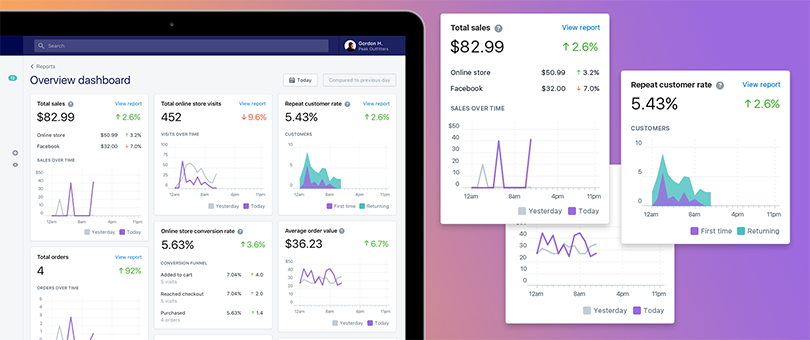
Shopify is a fully hosted eCommerce platform. That means it takes care of the technical stuff—hosting, updates, security—so you can focus on selling.
Key Features of Shopify
From inventory management to abandoned cart recovery, Shopify bundles features neatly under one roof.
Shopify Ease of Use
Shopify is famously beginner-friendly. If you can use email, you can probably run a Shopify store. The dashboard is intuitive, clean, and forgiving.
Shopify Hosting and Security
Hosting is included. SSL certificates? Included. PCI compliance? Covered. Shopify is like an apartment with security, maintenance, and utilities rolled into the rent.
Understanding WooCommerce
What Is WooCommerce?
WooCommerce transforms a WordPress website into a full-fledged online store. It’s open-source, flexible, and powerful—but also hands-on.
Core Features of WooCommerce
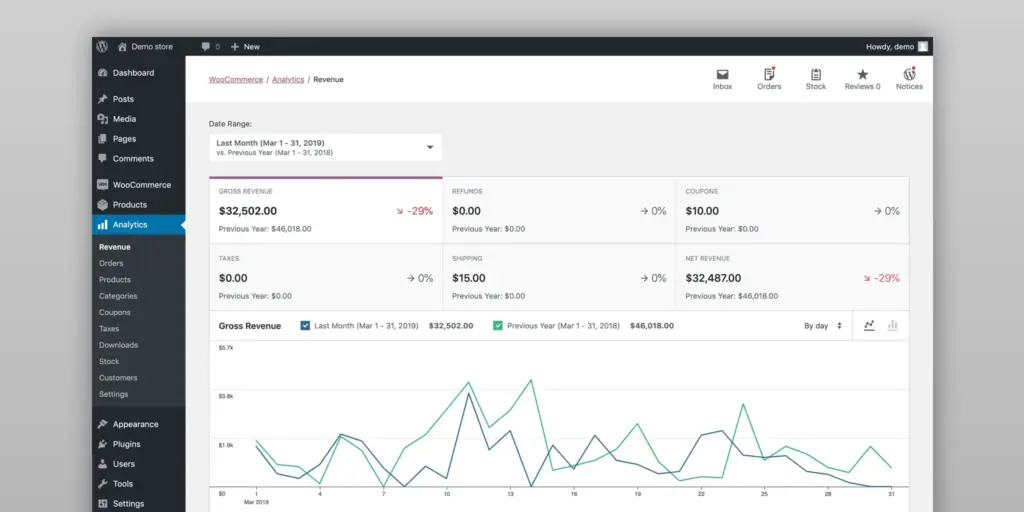
Product management, coupons, shipping rules—it’s all there. But unlike Shopify, you assemble the pieces yourself.
Flexibility and Customization
This is where WooCommerce shines. Want something custom? Chances are, you can build it or find a plugin for it.
Hosting and Security Responsibilities
With WooCommerce, you’re in charge. Hosting, backups, security plugins—it’s more DIY than Shopify.
Ease of Use: Shopify vs WooCommerce
Beginner Friendliness
Shopify wins here, no contest. WooCommerce assumes you’re comfortable navigating WordPress and making technical decisions.
Setup Time and Learning Curve
Shopify can be live in a weekend. WooCommerce might take longer, especially if you’re tweaking themes and plugins.
Cost Comparison for US Store Owners
Shopify Pricing Explained
Shopify runs on monthly plans. You pay for simplicity. Transaction fees may apply unless you use Shopify Payments.
WooCommerce Cost Breakdown
WooCommerce itself is free. But hosting, themes, plugins, and developer help add up.
Hidden Costs You Should Know
Shopify’s costs are predictable. WooCommerce can be cheaper—or more expensive—depending on your setup.
Design and Customization
Themes and Templates
Shopify themes are polished and mobile-ready. WooCommerce themes vary widely in quality.
Custom Design Freedom
WooCommerce is like a blank canvas. Shopify is more like a beautifully designed template with limits.
Payment Gateways and US Taxes
Payment Options in the US
Both platforms support major gateways like credit cards, PayPal, Apple Pay, and more.
Sales Tax and Compliance
Shopify simplifies US sales tax with automation. WooCommerce can do it too—but often needs plugins.
SEO Capabilities
Shopify SEO Strengths
Clean URLs, fast hosting, and built-in basics make Shopify solid for SEO.
WooCommerce SEO Advantages
WooCommerce, paired with WordPress SEO plugins, offers deeper control. It’s an SEO nerd’s playground.
Performance and Scalability
Handling Traffic Spikes
Shopify handles traffic surges smoothly. WooCommerce depends heavily on your hosting quality.
Growing With Your Business
Both platforms scale, but Shopify scales with less effort. WooCommerce scales with more control.
App Ecosystem and Integrations
Shopify App Store
Thousands of apps, most paid, all easy to install.
WooCommerce Plugins
An enormous plugin ecosystem—free and paid—but quality varies.
Security and Maintenance
Built-in Security vs DIY Security
Shopify handles security for you. WooCommerce asks you to be proactive.
Updates and Backups
Shopify updates automatically. WooCommerce requires hands-on maintenance.
Customer Support
Shopify Support Options
24/7 chat and email support. Reliable and responsive.
WooCommerce Support Channels
Community forums, documentation, and paid developer support.
Ideal Use Cases
When Shopify Is the Better Choice
If you want speed, simplicity, and minimal stress—Shopify is your friend.
When WooCommerce Makes More Sense
If you want full control, custom features, and lower long-term costs—WooCommerce shines.
Pros and Cons Summary
Shopify Pros and Cons
Pros: Easy, secure, fast setup
Cons: Monthly fees, less flexibility
WooCommerce Pros and Cons
Pros: Customizable, scalable, cost control
Cons: Technical responsibility, steeper learning curve
Final Verdict for US Stores
Which Platform Should You Choose?
There’s no one-size-fits-all answer. Shopify is perfect for entrepreneurs who want to sell fast without tech headaches. WooCommerce is ideal for those who want full ownership and customization. Think about your time, budget, and comfort with technology—your answer lives there.
Conclusion
Choosing between Shopify and WooCommerce is really about choosing your working style. Do you want convenience wrapped in a monthly fee? Or freedom wrapped in responsibility? Both platforms are powerful. The best one is the one that fits your business goals in the US market.
FAQs
1. Is Shopify better than WooCommerce for beginners in the US?
Yes, Shopify is generally easier for beginners due to its hosted nature.
2. Can WooCommerce handle large US-based stores?
Absolutely, with the right hosting and optimization.
3. Which platform is cheaper long-term?
WooCommerce can be cheaper long-term, but it depends on hosting and plugins.
4. Is Shopify good for SEO in the US market?
Yes, Shopify has strong built-in SEO features suitable for US stores.