
In 2026, the idea of wellness has shifted dramatically. A healthy lifestyle is no longer about extreme discipline, perfect routines, or following everything social media tells us to do. Instead, wellness today is about building daily wellness habits that fit into real life, busy schedules, limited time, and changing energy levels included.
The most effective wellness routine is one that feels natural, sustainable, and easy to return to. Here’s how you can build a healthy lifestyle in 2026 by focusing on non-traditional but highly impactful daily wellness habits.
1. Weekly Meal Planning That Actually Saves Time
One of the most practical daily wellness habits is weekly meal planning, not elaborate cooking, but simple preparation that removes decision fatigue.
Instead of planning full meals, focus on versatile ingredients that can be used in multiple ways:
- Marinated chicken or paneer that can be grilled, added to wraps, or paired with rice
- Boiled or roasted chickpeas for salads, bowls, or quick snacks
- Pre-cut vegetables and leafy salads that can be mixed differently each day
- Cooked lentils or beans that work for lunch and dinner

This approach supports a healthy lifestyle by ensuring balanced meals without daily effort. In 2026, wellness is about reducing mental load as much as improving nutrition.
2. Choose One Physical Activity You Enjoy and Can Access Easily
Movement is a core part of all daily wellness habits, but it doesn’t need to look the same for everyone. Walking, swimming, yoga, gym workouts, cycling, or even dancing at home all count.
What matters just as much as enjoyment is convenience. You’re far more likely to:
- Walk daily in a park near your home
- Visit a nearby gym regularly
- Join swimming at the nearest pool
Or just simply - Stretch or do yoga at home
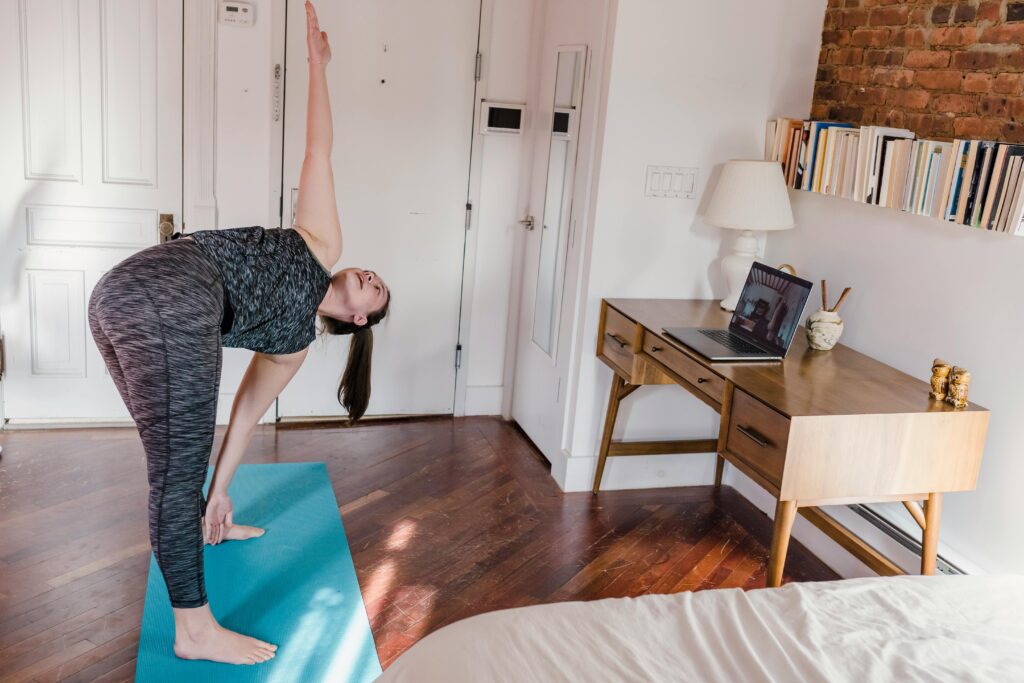
…than commit to an activity that requires long travel or complex planning. Walking improves cardiovascular health, swimming supports joint mobility, strength training builds muscle, and yoga enhances flexibility and stress management. Choosing something both enjoyable and accessible helps make physical activity a long-term wellness routine, not a short-lived phase.
3. Understanding Deficiencies and Introducing Supplements Timely
With modern food habits and lifestyle stress, diet alone often isn’t enough. Recognising nutritional gaps is becoming a critical part of daily wellness habits in 2026.
Common deficiencies can lead to fatigue, weak immunity, sleep issues, or muscle cramps. Some widely used supplements include:
- Protein to support muscle health and daily energy
- Vitamin C for immunity and recovery
- Vitamin D for bone health and mood regulation
- Magnesium for stress management, muscle relaxation, and sleep

The key is not over-supplementing, but understanding your body’s needs and introducing supplements mindfully as part of a healthy lifestyle in 2026.
4. Creating Habits That Support Better Sleep
Quality sleep is one of the most underestimated daily wellness habits. A consistent sleep routine improves mental clarity, skin health, metabolism, and emotional balance.
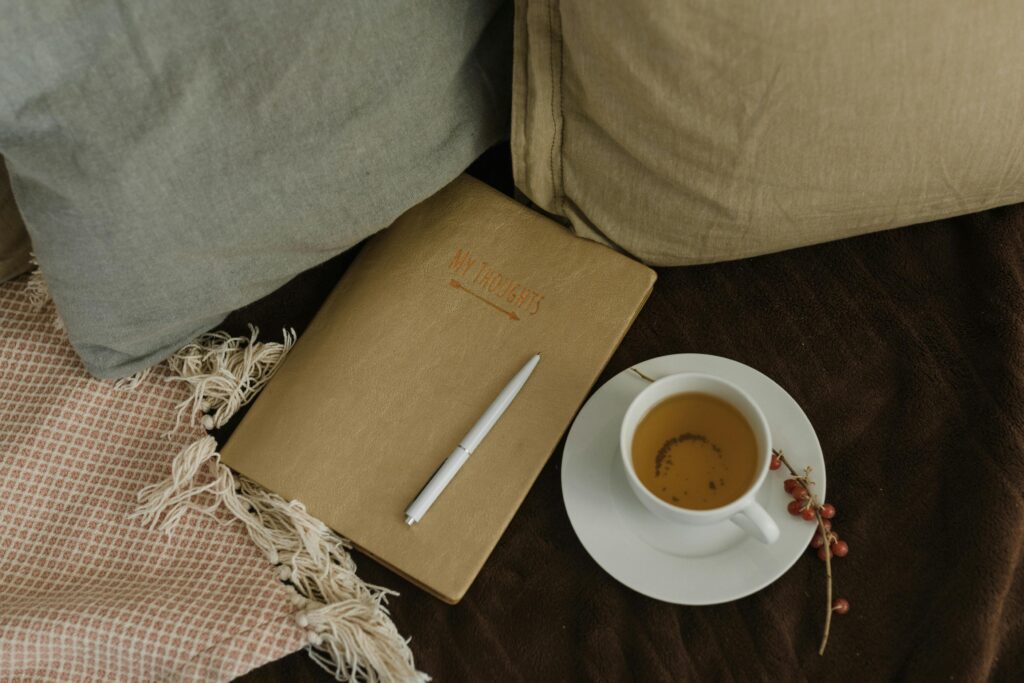
Simple habits that support better sleep include:
- Drinking chamomile tea or herbal infusions in the evening
- Reducing screen time at least 30–60 minutes before bed
- Developing a reading habit to signal the body to wind down
- Using magnesium supplements (when suitable) to relax the nervous system
In 2026, healthy living habits prioritise sleep not as rest, but as active recovery.
5. Weekly Hair and Skincare, Not Daily Perfection
Social media often promotes complex, multi-step hair and skincare routines that are impossible to maintain. The reality of a healthy lifestyle is simpler.
Even once-a-week hair or skincare routines make a difference. The focus should be on:
- Finding products that suit your skin and hair type
- Avoiding constant product switching
- Staying consistent rather than excessive
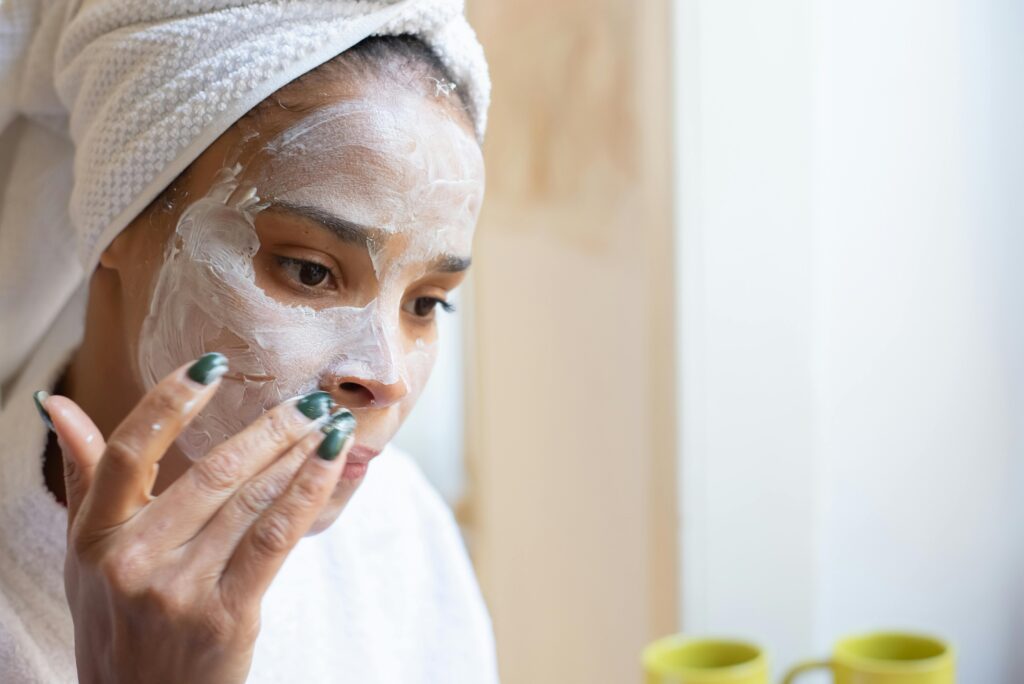
Consistency is far more effective than intensity. In modern wellness routines, doing less, but doing it regularly, is what delivers results.
6. Actively Reducing Digital Overload
One of the most important daily wellness habits for mental health is managing digital consumption. Constant notifications, endless scrolling, and screen exposure increase stress and reduce focus.
Ways to reduce digital overload include:
- Turning off non-essential notifications
- Creating screen-free hours, especially mornings and nights
- Keeping phones away during meals
- Using digital wellbeing tools to track screen time
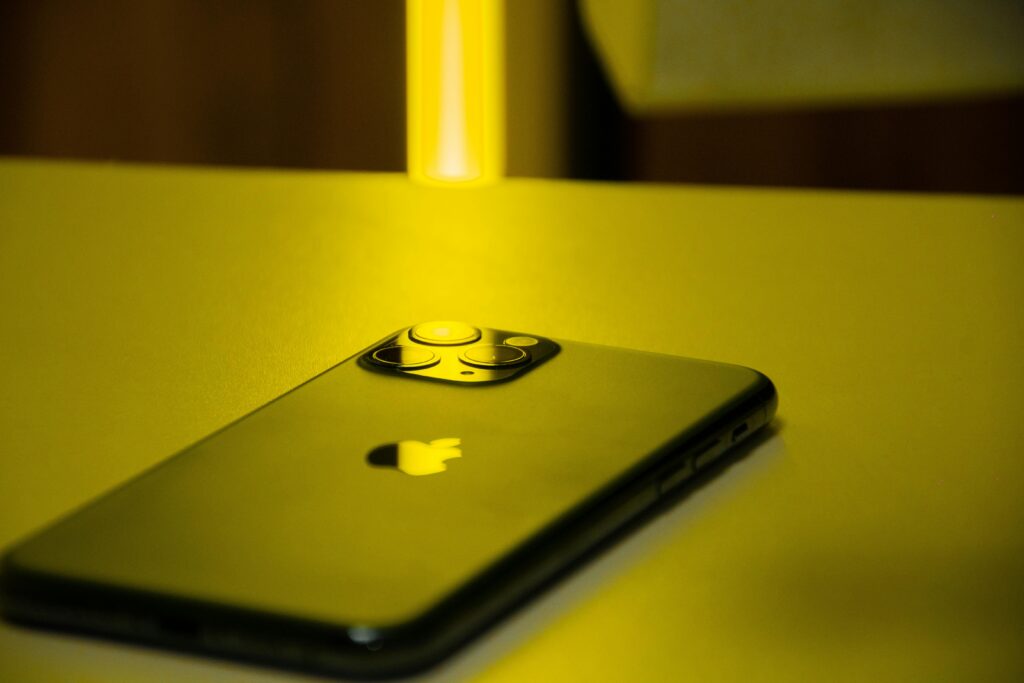
A healthy lifestyle in 2026 includes intentional disconnection to protect mental well-being.
Final Thoughts
The most effective daily wellness habits are the ones that feel achievable. A healthy lifestyle in 2026 is not about perfection — it’s about routines that support your body and mind consistently, even on busy days.
Wellness works best when it becomes part of life, not something you constantly have to work at.
FAQ Section (On-Page Content)
What are daily wellness habits?
Daily wellness habits are small, consistent actions that support physical, mental, and emotional health. These include balanced eating, regular movement, quality sleep, stress management, and mindful digital usage.
How can I build a healthy lifestyle in 2026?
Building a healthy lifestyle in 2026 means focusing on sustainable routines rather than perfection. Simple habits like weekly meal planning, choosing convenient physical activities, improving sleep quality, and managing screen time make wellness easier to maintain.
Are supplements necessary for daily wellness?
Supplements can support daily wellness when diet alone doesn’t meet nutritional needs. Common supplements like protein, vitamin D, vitamin C, and magnesium help address deficiencies caused by modern lifestyles, but they should be used mindfully.
How much physical activity is enough for a healthy lifestyle?
A healthy lifestyle doesn’t require intense workouts. Even 20–30 minutes of daily movement—such as walking, yoga, or swimming—can improve energy, heart health, and mental well-being when done consistently.
How can I reduce digital overload as part of daily wellness habits?
Reducing digital overload involves limiting screen time, turning off unnecessary notifications, creating screen-free periods, and being intentional about device usage to support mental clarity and reduce stress.